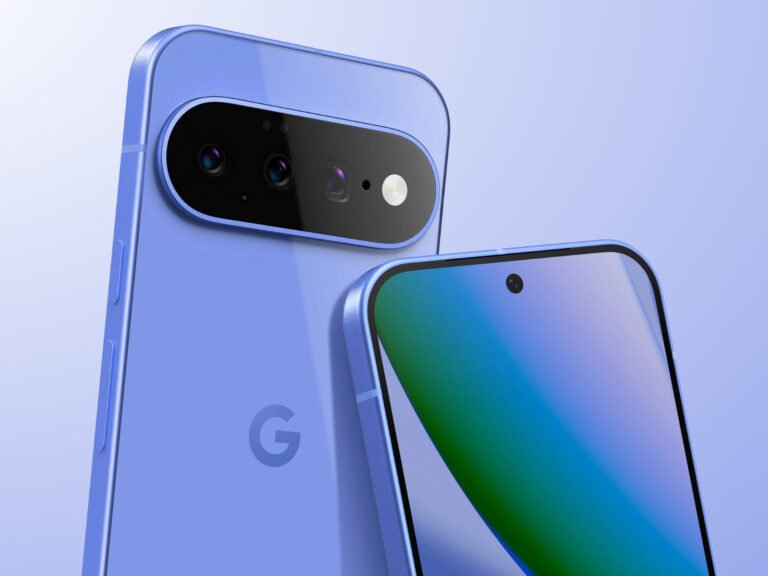

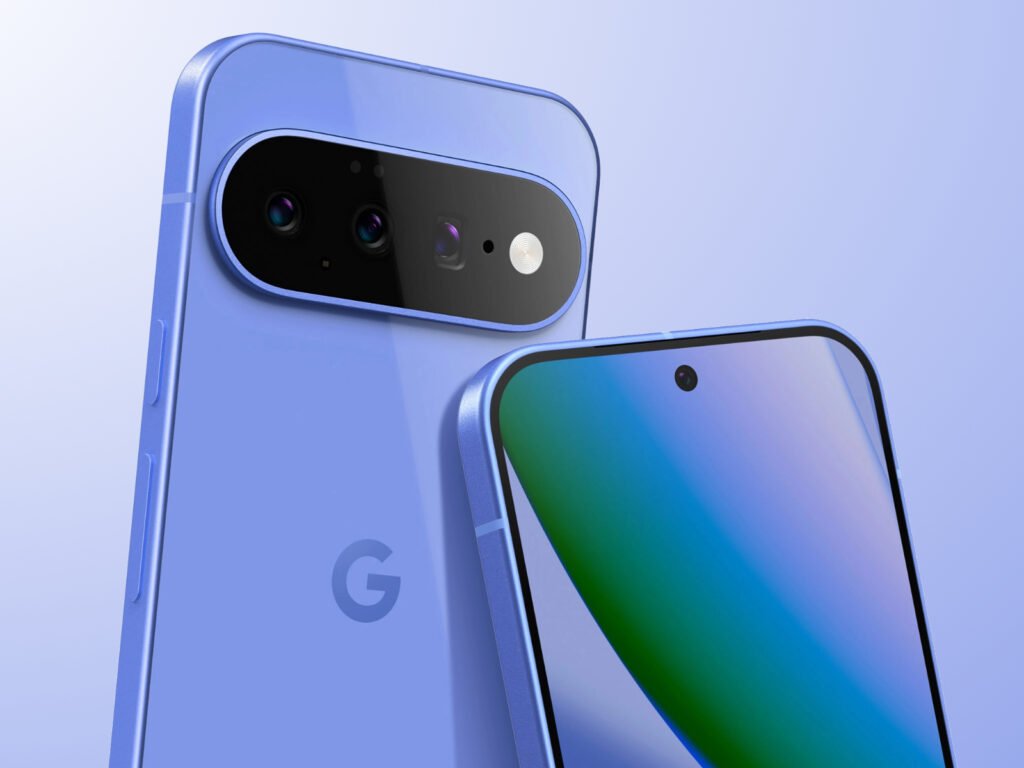
Google’s flagship phone lineup for 2026 brings an exciting generational leap, featuring refined designs, next-generation silicon, and deeper AI integration with Android 17. With the launch of the Google Pixel 11 and Google Pixel 11 Pro, buyers are faced with a compelling decision.While both devices share the newly engineered Tensor G6 chipset and magnetic Qi2 wireless charging capabilities, key differences in display technology, camera versatility, and internal memory set them apart.
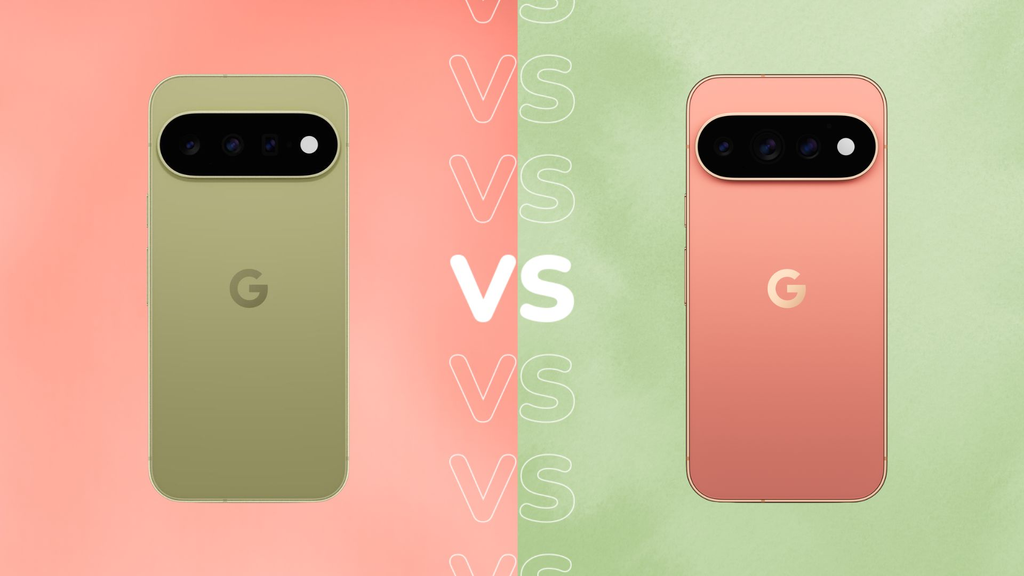
If you are wondering whether to save money on the standard Pixel 11 or step up to the feature-packed Pixel 11 Pro, this detailed comparison breaks down every specification, feature, and price point to help you choose the best phone for your needs.
Detailed Specifications Comparison
| Feature | Google Pixel 11 | Google Pixel 11 Pro |
| Display | 6.3-inch OLED (60Hz–120Hz Smooth Display) | 6.3-inch LTPO OLED (1Hz–120Hz) |
| Peak Brightness | 3,000 nits peak | 3,600 nits peak |
| Processor | Google Tensor G6 (3nm process) | Google Tensor G6 (3nm process) |
| RAM | 12GB | 12GB / 16GB |
| Storage Options | 256GB / 512GB | 256GB / 512GB / 1TB |
| Rear Cameras | 48MP Wide, 13MP Ultrawide, 10.8MP Telephoto (5x Optical Zoom) | 50MP Wide, Ultrawide, Telephoto (5x Optical Zoom) |
| Front Camera | 10.5MP Ultrawide with Autofocus | 13MP Ultrawide with Autofocus |
| Battery Size | 4,985 mAh | 4,850 mAh |
| Charging | 30W Wired, 25W Qi2 Wireless | 30W Wired, 15W/25W Qi2 Wireless |
| Operating System | Android 17 (7 years of OS updates) | Android 17 (7 years of OS updates) |
| Starting Price | $899 | $1,071 |
Design and Build
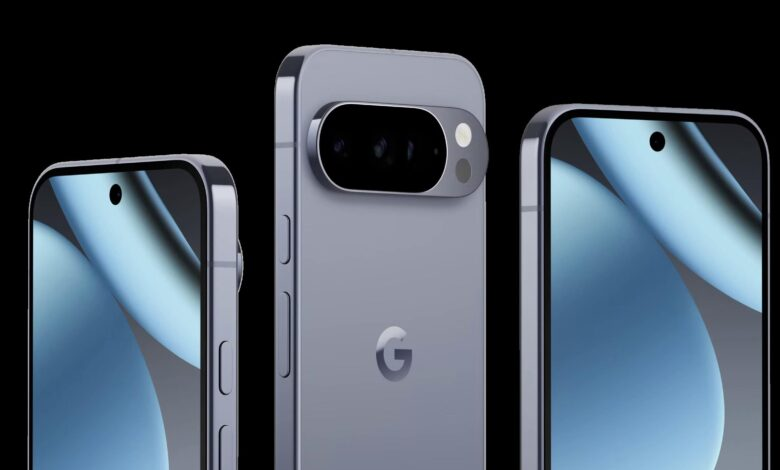
Both models retain Google’s signature camera visor aesthetic while introducing subtle geometric refinements.Each phone is protected by Corning Gorilla Glass Victus 2 on both the front and back, wrapped around a sturdy aluminum frame.They also carry an IP68 rating for water and dust resistance, making them durable for daily use.
The standard Pixel 11 stands out with vibrant color options like Frost, Pistachio, Hibiscus, and Obsidian.The Pixel 11 Pro adopts a sophisticated finish with palette options such as Canyon and Obsidian, catering to users who prefer a subtle, premium look.Additionally, both phones incorporate built-in magnetic alignment for Qi2 wireless charging accessories.
Display Performance
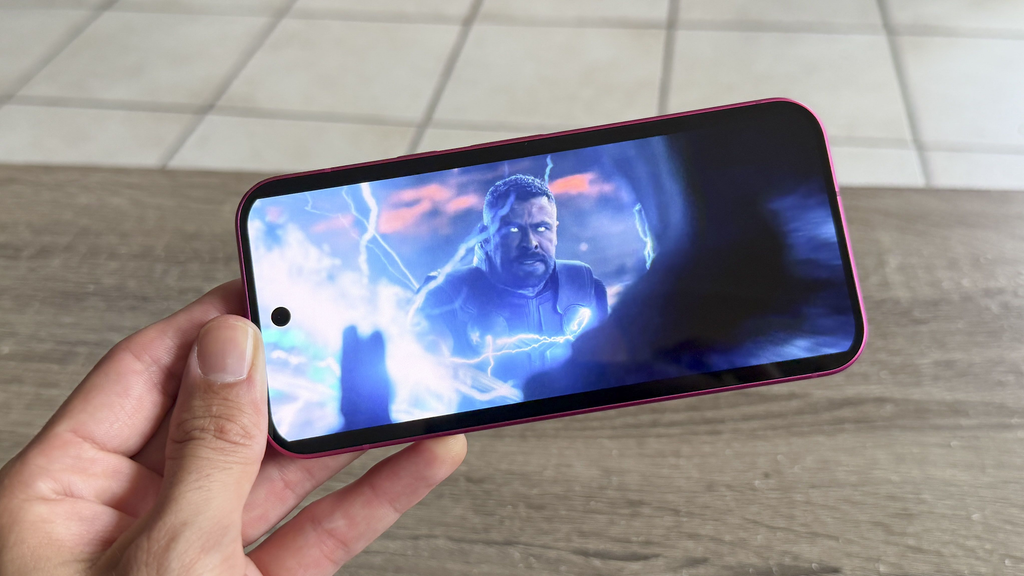
While both smartphones feature a 6.3-inch screen size, their underlying display technologies differ significantly:
- Google Pixel 11:Utilizes a standard OLED Smooth Display that scales dynamically between 60Hz and 120Hz, reaching a impressive peak brightness of 3,000 nits.
- Google Pixel 11 Pro:Features a true LTPO OLED panel capable of dropping down to 1Hz when viewing static content.This offers enhanced power efficiency, sharper resolution (1280 x 2856 pixels), and a higher outdoor peak brightness of up to 3,600 nits.
If you spend extended periods outdoors or prefer higher pixel density for reading and media, the Pro model’s panel provides a visible advantage.
Performance and Processing

Powering both devices is Google’s Tensor G6 chipset, manufactured on an efficient 3nm architecture.The updated silicon addresses thermal management concerns from previous generations while delivering faster app launch speeds, better efficiency, and upgraded artificial intelligence capabilities.
The main performance gap lies in memory options:
- The Pixel 11 comes standard with 12GB of RAM, paired with 256GB or 512GB of UFS storage.
- The Pixel 11 Pro offers optional configurations up to 16GB of RAM and up to 1TB of internal storage.
For heavy multitasking, complex video editing, or high-intensity mobile gaming, the additional RAM headroom on the 11 Pro makes it the better long-term choice.
Camera Systems

Google continues to set standards in mobile photography through hardware and software optimization. Remarkably, both models now include a dedicated telephoto camera with 5x optical zoom and up to 30x Super Res Zoom.
- Pixel 11 Setup:Features a 48MP main sensor (f/1.7), a 13MP ultrawide camera, and a 10.8MP telephoto lens.Selfies are handled by a 10.5MP ultrawide front camera with autofocus.
- Pixel 11 Pro Setup:Steps up to higher resolution sensor hardware, including a 50MP primary sensor and an upgraded 13MP front sensor.
Both devices support Google’s signature photography suite—including Night Sight, Astrophotography, Magic Eraser, Best Take, and 4K video recording. Photographers who demand maximum raw detail and granular post-processing flexibility will appreciate the Pro’s main sensor.
Battery Life and Charging
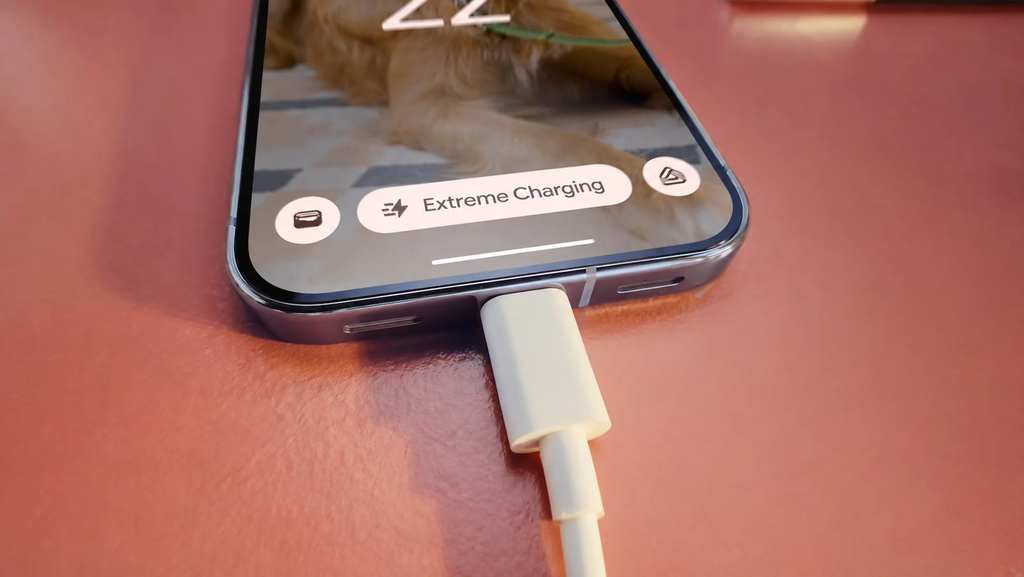
Battery capacities on both phones are closely matched. The Pixel 11 packs a 4,985 mAh battery, while the Pixel 11 Pro houses a slightly smaller 4,850 mAh cell.
- Wired Charging:Both support 30W USB-C PPS fast charging, reaching up to 55% charge in approximately 30 minutes.
- Wireless Charging:Both models integrate magnetic Qi2 wireless charging capabilities.
- Special Features:Both support reverse wired charging and bypass charging for gaming sessions.
Software, Gemini, and Long-Term Support
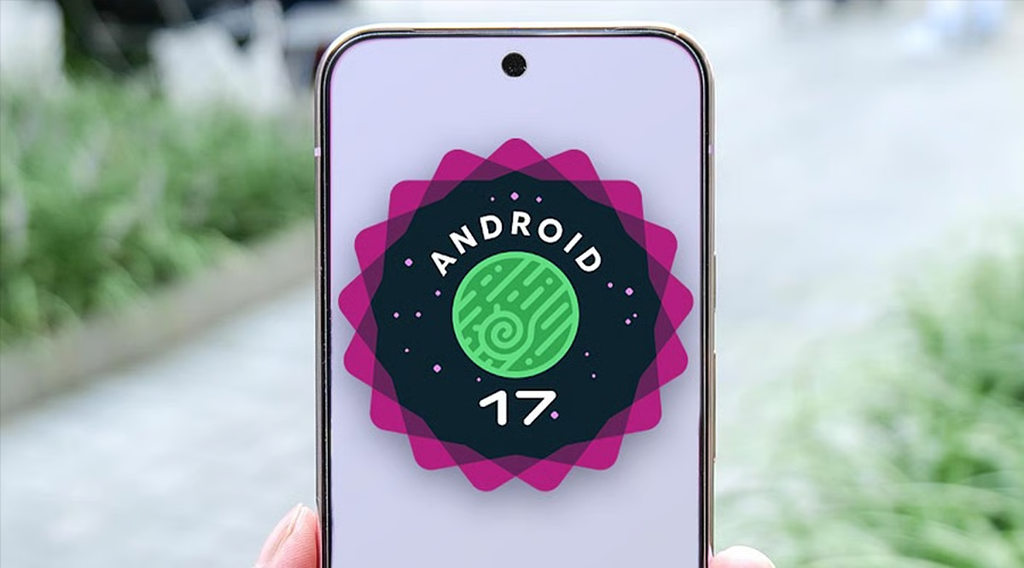
Shipping with Android 17, both the Pixel 11 and 11 Pro offer a clean, bloatware-free software experience.Google backs both devices with an industry-leading commitment: 7 years of OS updates, security patches, and functional Pixel Drops.
Both phones integrate Gemini Nano on-device AI features, offering intelligent speech enhancement, real-time language translation, and automated camera tools such as Camera Coach and Auto Unblur.
Which Phone Should You Buy?
Buy the Google Pixel 11 if:
- You want a compact flagship that doesn’t compromise on essential features.
- You want a 5x optical telephoto lens without paying over $1,000.
- Bright and playful color options match your style.
- You prefer the best overall value for daily smartphone use.
Buy the Google Pixel 11 Pro if:
- You want maximum display brightness (3,600 nits) and LTPO power savings.
- You require up to 16GB RAM for intensive multitasking or 1TB storage capacity.
- You want high-resolution camera sensors for professional photography.
- You prefer a matte, sophisticated design profile.
Frequently Asked Questions
Do both the Pixel 11 and Pixel 11 Pro have a telephoto lens?
Yes.Unlike previous generations where telephoto lenses were reserved for Pro variants, both the Pixel 11 and Pixel 11 Pro feature a dedicated telephoto camera with 5x optical zoom.
How many years of updates will the Pixel 11 series receive?
Google provides 7 full years of Android OS upgrades, security updates, and regular feature updates (Pixel Drops) for both models.
Does the standard Pixel 11 support Qi2 magnetic wireless charging?
Yes, the Pixel 11 includes built-in Qi2 magnetic support, allowing you to use magnetic wireless chargers and accessories directly on the device.
Is there expandable microSD storage on either device?
No, neither the Pixel 11 nor the Pixel 11 Pro includes a microSD card slot.Internal storage options range from 256GB to 512GB on the Pixel 11, and up to 1TB on the Pixel 11 Pro.
What is the primary difference in performance between the two models?
Both models run on the same Google Tensor G6 processor.However, the Pixel 11 Pro offers higher RAM options (up to 16GB) compared to the standard 12GB RAM on the Pixel 11.
Final Thoughts
The Google Pixel 11 series represents a matured flagship lineup where buyers no longer need to sacrifice essential features like telephoto zoom or wireless magnetic charging on the entry-level model.For most users, the standard Pixel 11 offers the best balance of price, performance, and everyday functionality. However, if you demand top-tier display tech, maximal RAM, and higher sensor megapixels, the Pixel 11 Pro remains worth the extra investment.